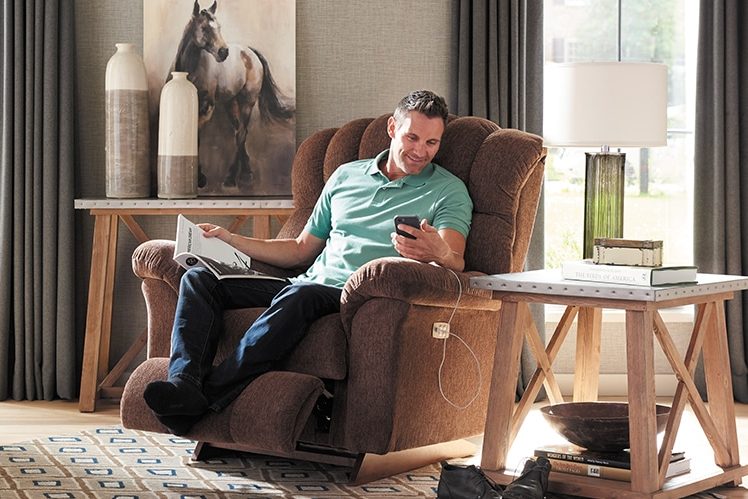
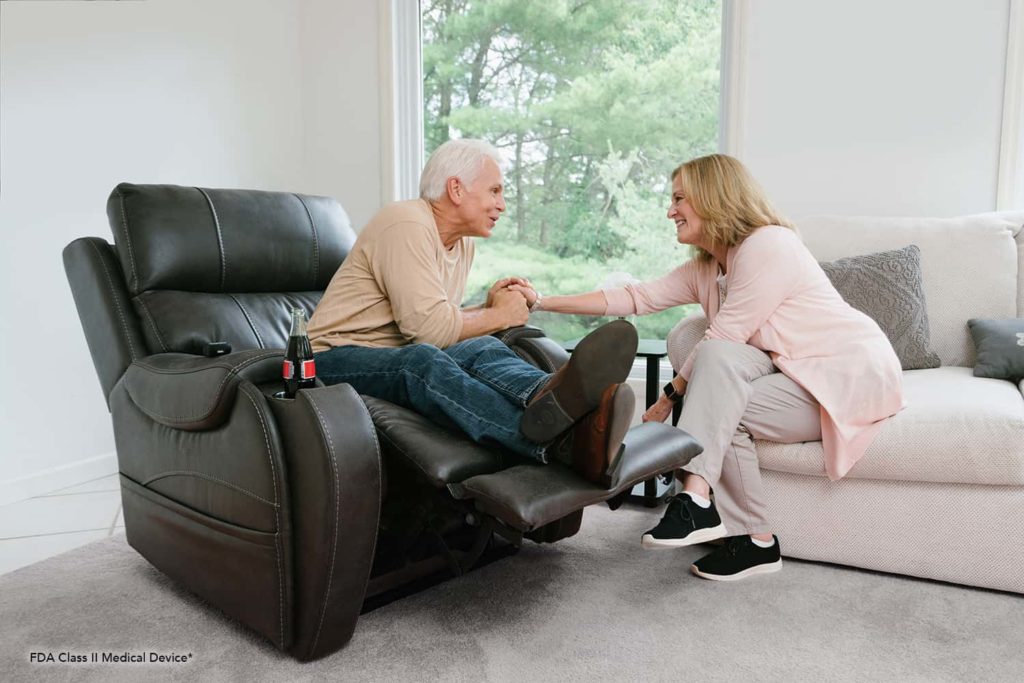
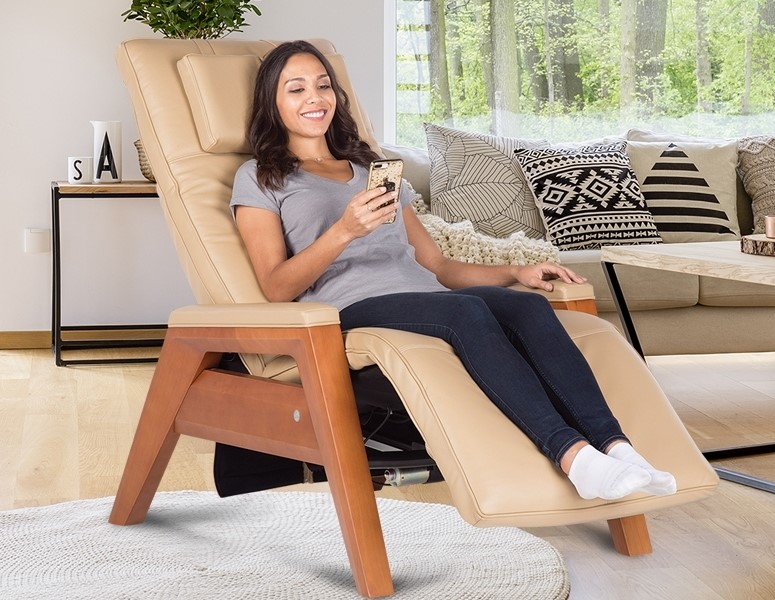
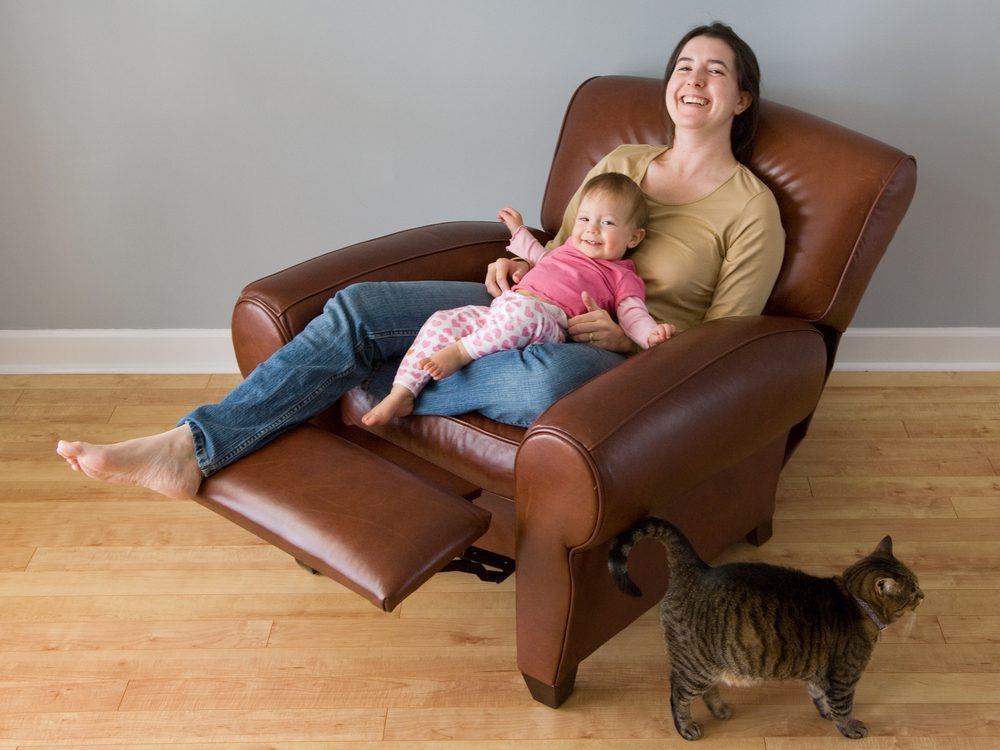
The Irene House Dual Motor Lift Recliner is the best recliner after surgery for most people in 2026, because its independent back and footrest motors are the only way to get near-flat without the sliding-down that pulls on an incision. We ranked these four by a standard most roundups skip entirely: which surgery you had. A chair that’s correct after a knee replacement can be actively wrong after cardiac surgery, and the specs that separate them are seat height, motor count, and whether you have to push off the armrests to stand.
A post-surgery recliner is a power lift chair that raises you toward standing without requiring you to engage your core, arms, or operated joint. The three specs that determine whether it works are motor count (dual motors allow near-flat recline; single motors do not), seat height (18–20 inches keeps hips at or above knee level), and cushion firmness (firm seats prevent the deep sinking that makes standing dangerous). Massage and heat are comfort features, not recovery features.
Dual motors move the backrest and footrest independently, which is what gets you close to flat while keeping legs elevated. Single-motor chairs move both as one unit and cap out short of sleeping position, enough to nap, not enough to recover overnight.
Weakness, stated plainly: it’s heavy and expensive, and if you only need a chair for six weeks that math is hard to justify. Medical supply rental runs roughly $150-250/month in most US markets, if your recovery window is short, rent.
The firm cushion is the feature. Most recliners are sold on plushness, and plushness is precisely what violates the 90-degree hip rule surgeons give you after replacement, you sink below your knees and can’t get out without twisting.
Weakness: it is genuinely less comfortable than the others. Buyers expecting a plush chair are disappointed, and recline positions are limited.
The one nobody discusses: a power lift recliner in a blackout is a chair you cannot get out of. The Yandel takes a 9V battery pack so the lift still works with no mains power. If your power is unreliable, you’re recovering alone, or you’re buying for an elderly parent, this outranks every massage feature on the market.
Weakness: batteries aren’t included, buy them before surgery, not after. Taller users report it runs short.
The value pick, and our most-recommended chair across ReclinerLand, see our full MCombo electric recliner review.
Weakness: single-position lift, average long-term durability, and it’s bulky. The vibration massage is a comfort feature, check with your surgeon before using it in the first weeks, particularly near an incision.
Full-back heat, cup holders, USB ports, and tray tables sell chairs; none of them affect recovery. Zero-gravity positioning is excellent for spinal recovery and poor for anyone who struggles to get upright. And recliners are not universally the right answer, if you’re sliding down nightly and waking with new neck pain, an adjustable bed may serve you better.
Ask your surgeon for your seat height and recline limits before ordering, those two numbers decide this purchase. For the full framework, see our guide on how to choose a recliner.
How long do you need a recliner after surgery?
Most patients need a recliner for two to six weeks after joint or cardiac surgery, though your surgeon sets the actual window. Because that period is short, renting from a medical supply company often costs less than buying.
Is a recliner better than a bed after surgery?
A recliner is better than a bed when your surgeon requires an elevated torso, common after cardiac, shoulder, and some abdominal procedures. For hip and knee recovery, a bed with a wedge often works equally well and avoids the sliding-down problem recliners cause overnight.
What seat height is best after hip replacement?
A seat height of 18 to 20 inches is best after hip replacement, because it keeps your hips level with or above your knees and preserves the 90-degree rule. Measure from the floor to the top of the compressed cushion, not the listing spec.